
Powered By



 Continue with Facebook
Continue with Email
Continue with Facebook
Continue with Email
Making lifestyle changes and adopting a heart-smart diet has been challenging for many MyHeartDiseaseTeam members. “From time to time, I break my own rules,” one member shared. “I’m human — I make mistakes like everybody else. But I always go back to my diet.”
Despite the challenges, incorporating dietary changes has also helped members improve their heart health, symptoms, and overall well-being.
“It has been three months since I’ve avoided ‘damaging’ foods, and I see such a difference,” said one MyHeartDiseaseTeam member, echoing the comments of others. “No shortness of breath. No arthritis pain anywhere in my body. Lots of energy. Amazing!”
Here are some foods to avoid when you’re living with heart disease. As always, ask your cardiologist or a healthcare professional for medical advice before making changes to your diet. They can make recommendations based on your health history, treatment plan, and dietary preferences.
Salt (or sodium) is found in a lot of the foods we eat every day. Too much sodium in your bloodstream can raise your blood pressure.
More than 70 percent of the sodium Americans eat comes from packaged, processed, and restaurant-prepared meals.
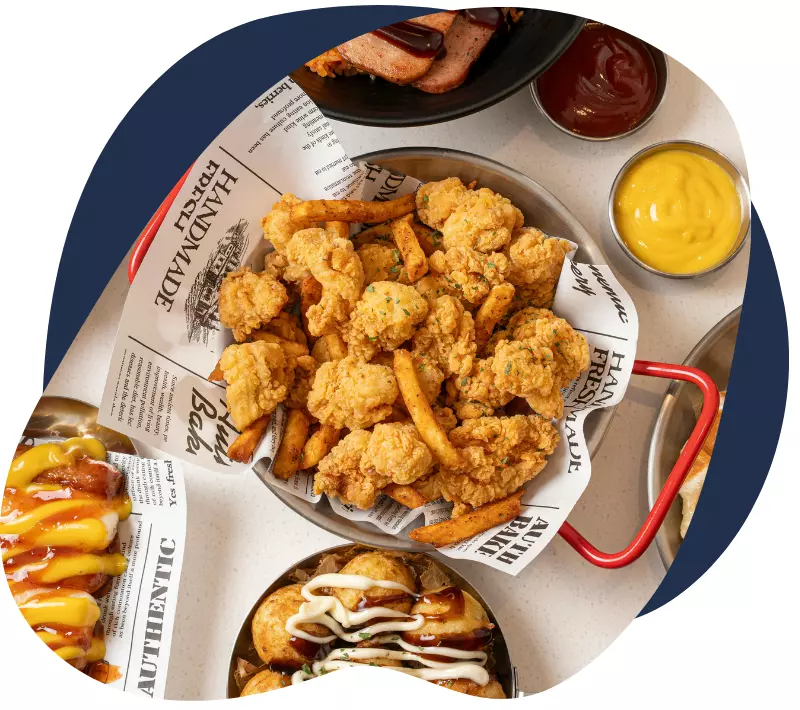 “Since my doctor limited my intake to 1,500 milligrams of sodium a day, I’ve learned to read labels and look up salt content of foods online. It’s worth the effort,” one member shared.
Another member discovered that their favorite frozen meal had 1,046 milligrams of sodium. “I put that back on the shelf in a hurry,” they said.
Minimizing processed and canned foods can also help you avoid high-sodium products. As one member explained, “They have a high concentration of salt because it preserves the food. Fresh and frozen foods are better for you. They’re a little more expensive, but I’m worth it.”
Some companies make sodium-free or reduced-sodium varieties of certain foods. It’s still a good idea to check the food label. Even products labeled “reduced sodium” or “low sodium” may have more sodium than your doctor recommends.

Eating out can make controlling salt intake even harder. “When you go to a restaurant or order take-out food, tell them not to use salt, or choose foods with low sodium,” said one member.
Some members find that cutting back on salt intake reduces their craving and taste for it over time. As one member said, “I never pick up the salt shaker and really don’t miss it anymore!”
MyHeartDiseaseTeam members also report cutting saturated fats and trans fats — particularly in red meat and processed foods. “After my heart attack in June, all of the docs said, ‘No red meat’ again,” shared one member.
Saturated fats are found mainly in animal products like meat and dairy, but also in coconut milk and certain oils. Eating high amounts of saturated fat can contribute to high cholesterol levels.
The American Heart Association (AHA) recommends keeping saturated fats to less than 6 percent of total daily calories — about 13 grams per day on a 2,000-calorie diet.
Reducing saturated fat doesn’t mean you can’t eat any meat. Choosing lean proteins, like skinless chicken and fish, or eating smaller portions of meat, are ways to reduce saturated fat.
One member shared that their cardiologist recommended “thin pork chops instead of bacon.” It’s worth remembering that a 6-ounce steak has half the fat of a 12-ounce steak. Portion size matters a lot.
Some members choose to limit meat altogether and instead get their protein from legumes like beans and lentils.
People with heart disease don’t have to give up cheese or dairy products entirely. Instead, it helps to limit high-fat, high-salt cheeses.
“No more Cheez Whiz or Velveeta — too high in salt. I miss them. Cheddar always tastes better, but now it’s Swiss, which is lower in salt,” explained one member.
Members of MyHeartDiseaseTeam say they avoid added sugars, which can increase the risk of type 2 diabetes and contribute to inflammation. Added sugars are different from naturally occurring sugars found in fruits and dairy products.
Added sugars are most associated with beverages like sodas and desserts. But sugar can also be an ingredient in certain breakfast cereals, yogurt, and sweetened milk.
You can check for added sugars by reading the nutrition label. The label will list the total amount of sugar as well as any added sugars.
The AHA recommends limiting added sugar to no more than 6 percent of daily calories — similar to the guidelines for saturated fat. They recommend women limit added sugars to 6 teaspoons (or 25 grams a day) and men limit added sugars to 9 teaspoons (or 36 grams a day).
Carbohydrates have gotten a bad reputation in many fad diets, but you don’t have to cut out all carbohydrates to eat a heart-healthy diet. Rather than avoiding carbohydrates, focus on eating whole grains instead of refined grains.
Here’s the difference:
“I’ve gotten rid of enriched or bleached white bread, white pasta, sugary cereals, instant rice, bagels, pizza, pastries, pies, cookies, and cakes,” one member shared.
You may wonder: Is pasta bad for your heart? Pasta made from white flour is a refined carbohydrate. Choosing whole wheat pasta is the better option.
Cutting back on refined carbohydrates can help people with heart disease avoid high triglyceride levels — a measure of heart wellness. Triglycerides are a type of fat that can contribute to cardiovascular disease risk if levels are too high.
“I don’t eat starch anymore, especially after finding out how much my triglycerides have come down. It’s amazing,” said one MyHeartDiseaseTeam member.
Ultraprocessed foods are items that go through extensive industrial processing. They often contain added sugars, sodium, unhealthy fats, and ingredients not typically used in home cooking.
Ultraprocessed foods can include:
These foods tend to be high in salt, saturated fat, and added sugars and low in fiber and nutrients.
Some ultraprocessed foods may have a higher nutritional value, like low-sugar or low-fat yogurt or whole-grain bread. This means they could be included in a heart-healthy diet. But it can be difficult to tell whether an ultraprocessed food is harmful.
When in doubt, check the nutrition label. Products high in saturated fat, added sugar, and salt are best avoided.
The AHA recommends that if you don’t drink alcohol, don’t start. If you do drink, limit your intake. Drinking too much alcohol can lead to increased blood sugar and high blood pressure.
Drinking habits vary among MyHeartDiseaseTeam members. Some never consume alcohol, while others drink more regularly. “I drink one small glass of red wine nearly every day. I read it was good for you,” one member shared.
However, as another member noted, “If a person has any type of heart disease, you’d better check with your cardiologist first.”
Talk with your doctor about whether alcohol is safe for you.
On MyHeartDiseaseTeam, people share their experiences with heart disease, get advice, and find support from others who understand.
What foods have you found most challenging to give up since your diagnosis? Let others know in the comments below.
Get updates directly to your inbox.


Is hot weather bad for aortic valve stenosis


 Continue with Facebook
Continue with Email
Continue with Facebook
Continue with Email
Continue with Facebook
Continue with Email
Continue with Facebook
Continue with Email
Become a member to get even more





 Join
Join



 Your Privacy Choices

This is a member-feature!
Sign up for free to view article comments.
I try to eat healthy by limiting salt and fat & stuff like that but have to have pasta, some red meat & bread. I make my bread w/out salt & half whole wheat.
We'd love to hear from you! Please share your name and email to post and read comments.
You'll also get the latest articles directly to your inbox.